Happy New Year!


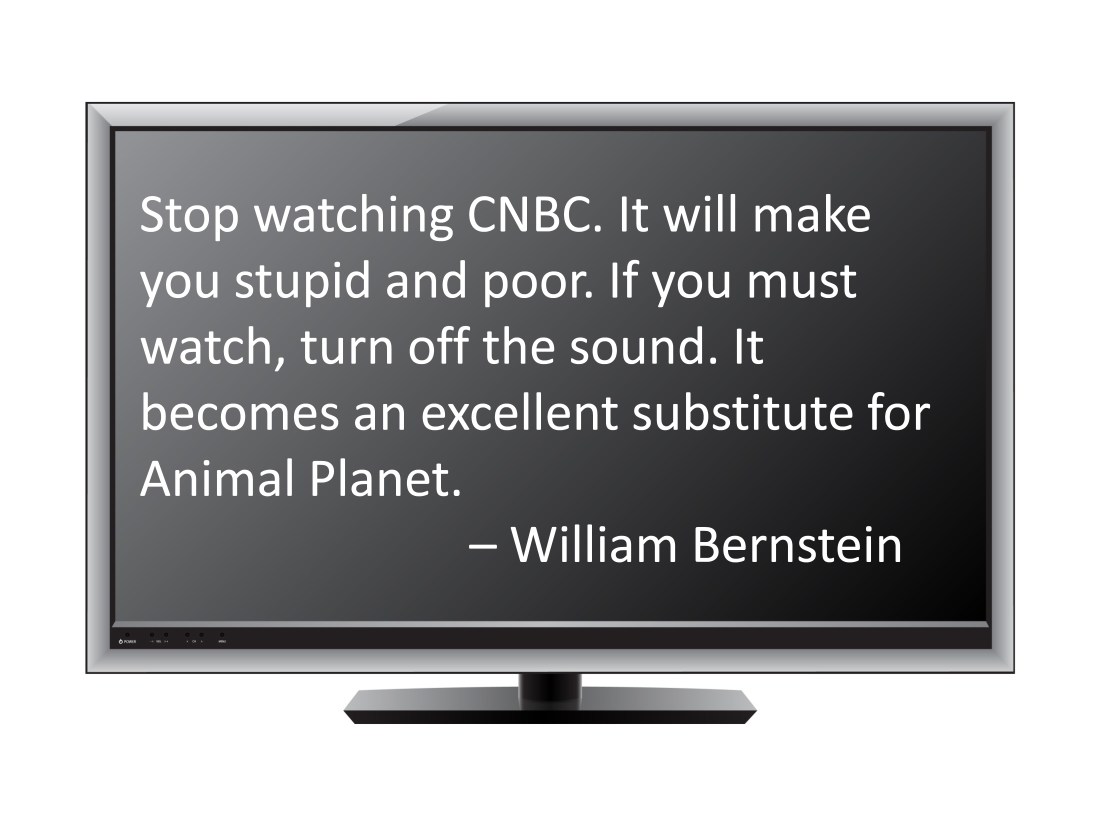
Maybe one of our New Year’s resolutions should be to turn off the TV and put down the newspapers.  Did you know there is a direct correlation between higher News/Financial TV programs ratings and down markets?  They don’t only prey on investor fear but fuel it in an attempt to keep you tuned into their program.

The New Year has brought unrest to the markets not only Stateside but just about all over the globe.  Pick up any newspaper or turn on any news program and all the financial headlines are either about oil’s crash or about China and their slowing economic growth, lagging manufacturing numbers, and the fear that China’s pain will creep into other economies.  The reality is that China has projected this slow down for some time.  China is in the process of shifting from a manufacturing economy to one more dependent on services.  For the first time in 2015 services accounted for more than half of their economy.  This shift is a process that will not occur overnight and could be painful at times, but recent data suggests their economy is stabilizing.  Last year China’s growth fell to 6.9% and while this is the lowest growth China has had in 25 years, this puts them nowhere close to recession territory.  In comparison, our economic growth has been between 2-3 percent for the last few years.  It’s not a question of if China will become the world’s largest economy, it’s when.  China has certainly had missteps (circuit breaker, trade limits, lack of transparency, etc.), but at the moment I believe we are seeing an overreaction to headlines, much like we saw with the Greece crisis.

Be clever with your benjamins!

Written by:  Brad Kaplan

Request a FREE Consultation: www.kaplanwealth.com

(703) 352-1780

The opinions voiced in this material are for general information only and are not intended to provide specific advice or recommendations for any individual. All performance referenced is historical and is no guarantee of future results.

Fed Rate Hike…Booo…or Yaaay!

The Federal Reserve’s Open Market Committee recently announced the first federal funds rate increase since 2006.  What does this mean?!  Is this a good or bad thing for American’s?

Here are some of the impacts both good and bad.  Ultimately I think this is a good thing.  Wbould you rather be looking at the first fed rate increase or the last fed rate increase?  The Fed raises interest rates to control the growth of the economy and keep inflation under control.  They obviously feel the economy is in a good place.

The “Bad“

Dollar Appreciation – If a strong dollar persists this means tough economic conditions for other economies, namely emerging market countries like Brazil, Russia and India.  They could face tougher conditions due to higher borrowing costs.  Also, companies that depend on exporting their goods from the U.S. overseas will likely take a hit as their products become more expensive and less desirable to foreign buyers.  Conversely, overseas companies that are dependent on exporting their products to the U.S. could get a boost as their products become cheaper for U.S. consumers.

Mortgage Rates – Interest rates are just one of many factors that determine mortgage rates.  Just because there is an increase in the fed funds rate doesn’t necessarily mean an increase in mortgage rates, but they are expected to slowly climb.  The concern here is if borrowing costs become more expensive and homes become less affordable it could lead to a drop in demand and the industries tied to the housing market could be negatively impacted.

Borrowers – Borrowing would be more expensive.  This could include student loans and other loans with variable interest rates like home equity lines of credit.

Bond Prices – Increased interest rates mean existing bond prices go down.  Why would I buy an old $1,000 bond that pays 3% interest when today’s pay 4%.  I wouldn’t…unless I get it at a discount.

The “Good”

Savers – Savers essentially haven’t earned any interest on their savings accounts since 2008.  Rates should continue to increase over the next few years and savers will begin to see their interest earnings increase.   There should be an almost immediate impact on CD rates.

Employment and Income – Employment numbers have been mostly positive.  More hiring means more income.  More income means more spending.  Higher incomes can also over power some of the negatives we spoke of earlier like increased borrowing expenses and a drop in housing demand.

The “It’s Too Early to Tell”

Stocks – Historically, stock prices often increase with rate increases when current yields are this low.    Check out this piece put out by JP Morgan. It’s part of their quarterly “Guide to the Markets”.  You can find the latest release here.  I’m hoping that two years from now we will say that stocks should have been in the “Good” section, but no one knows for sure how the markets are going to react and be wary of anyone that says otherwise.

Be clever with your benjamins!

Written by:  Brad Kaplan

Request a FREE Consultation: www.kaplanwealth.com

(703) 352-1780

The opinions voiced in this material are for general information only and are not intended to provide specific advice or recommendations for any individual. All performance referenced is historical and is no guarantee of future results. There is no assurance any of the trends mentioned will continue in the future.